

Quick answer
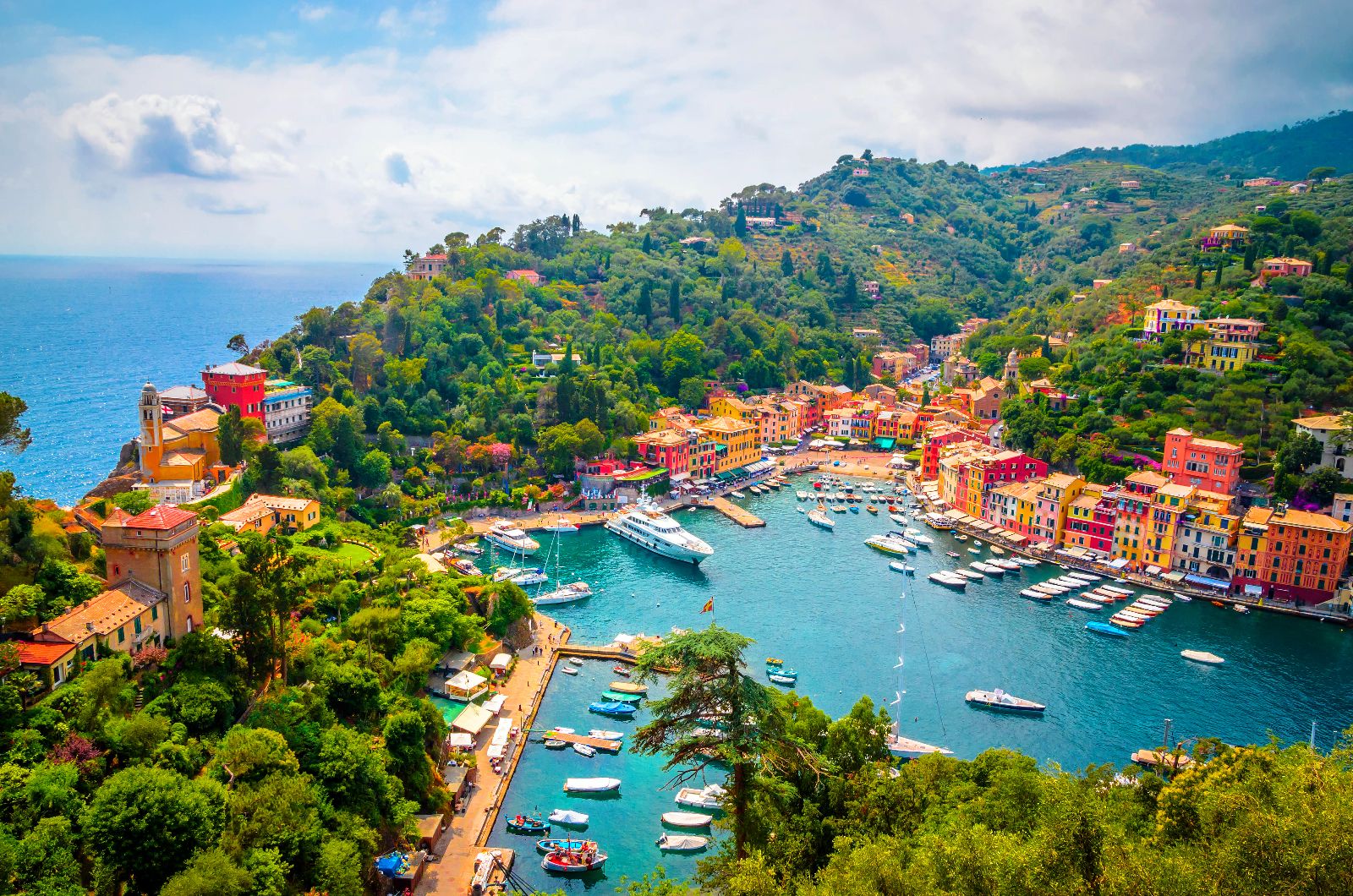
Portofino is famous for its crescent-shaped harbor lined with pastel-painted buildings, its postwar transformation into a celebrity retreat, and the clifftop Castello Brown overlooking the Ligurian Sea. The village's iconic piazzetta — the waterfront square — became synonymous with Italian glamour after actors, writers, and aristocrats made it a fixture of the international jet-set circuit in the 1950s and 60s. Today, the harbor, hiking trails to San Fruttuoso, and the Church of San Giorgio remain the visual and cultural anchors of Portofino's enduring appeal.
The harbor curves in a near-perfect semicircle, its waterfront buildings painted in shades of ochre, terracotta, salmon, and butter yellow — a palette dictated by centuries-old ordinances requiring fishermen to identify their homes from the sea. That functional tradition became an aesthetic signature. What is portofino famous for extends beyond the harbor itself. Castello Brown, perched on a promontory 53 meters above the water, served as a defensive fortification from the 16th century before becoming the private residence of British diplomat Montague Yeats Brown in 1867. Its terraced gardens and stone bastions frame panoramic views of the Golfo del Tigullio, and the castle's transformation from military outpost to romantic villa mirrors Portofino's own evolution. The Church of San Giorgio, rebuilt in the 12th century after Lombard destruction, holds relics said to belong to the saint and commands a clifftop position at the harbor's eastern edge. The bronze statue of Christ of the Abyss, submerged 17 meters below the surface in the nearby cove of San Fruttuoso, attracts divers year-round and remains one of the Mediterranean's most photographed underwater monuments. The piazzetta became a stage for postwar dolce vita when Elizabeth Taylor, Humphrey Bogart, Ava Gardner, and Italian nobility turned the village into a summer fixture. By the 1960s, yachts outnumbered fishing boats. Portofino's Ligurian cuisine — pesto, trofie, and focaccia — gained international recognition as visitors sought not only scenery but the flavors that defined the region. Hiking trails link Portofino to San Fruttuoso and Paraggi, winding through Mediterranean scrub and offering vantage points that reveal why the coastline earned protection as Parco Naturale Regionale di Portofino in 1935. The village remains a living settlement of fewer than 400 permanent residents, its restaurants, boutiques, and gelaterias concentrated along Via Roma and the harbor promenade. What made Portofino famous — the confluence of geography, color, and a carefully managed image — continues to draw visitors who arrive by land and sea, seeking the same compact perfection that defined its rise from fishing hamlet to global icon.
“The harbor's pastel palette was born from necessity — fishermen painted their homes in distinctive colors to navigate safely home through fog and distance.”
Notable Landmarks: What Is Portofino Famous For?
Portofino is characterized by its concentrated cluster of historic maritime landmarks and elevated viewpoints. These sites offer a perspective on the village architecture and the surrounding Ligurian coastline.
Piazzetta
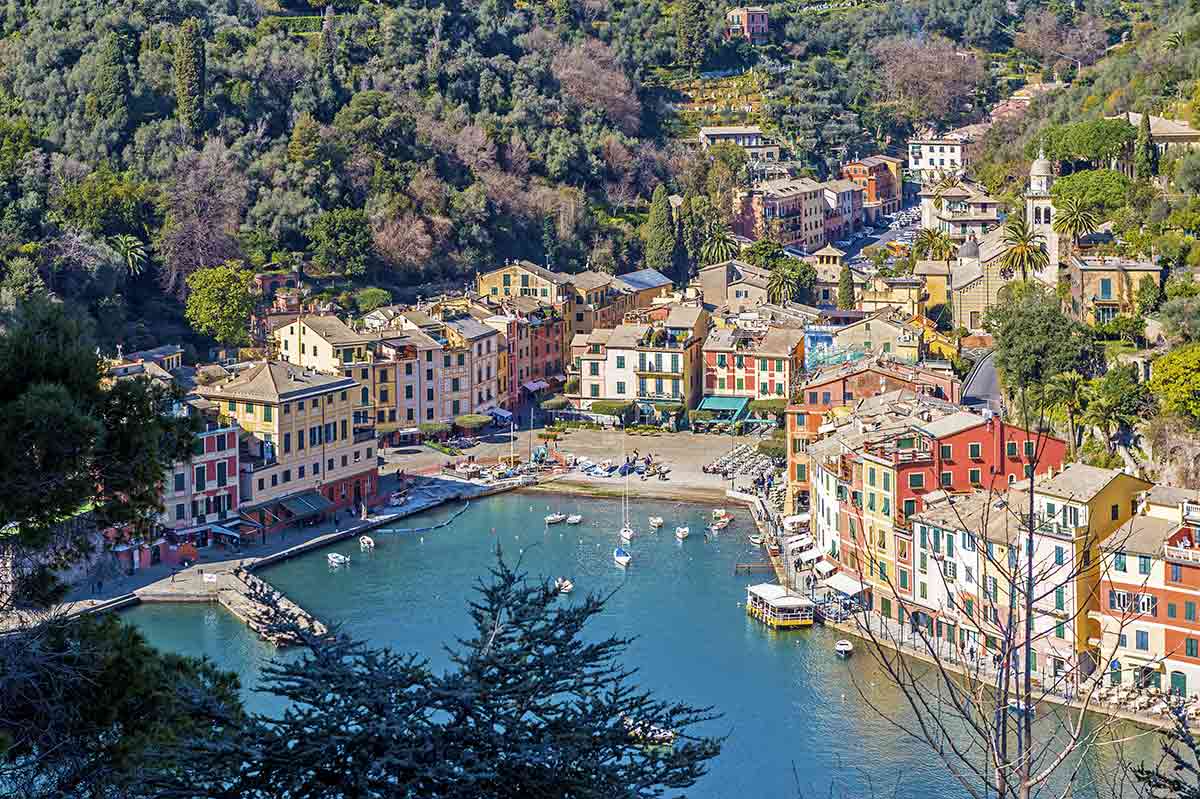
The central square serves as the focal point of the village, surrounded by pastel-colored buildings and harbor-side cafes.
Arrive before 10:00 to photograph the square without crowds.
Castello Brown
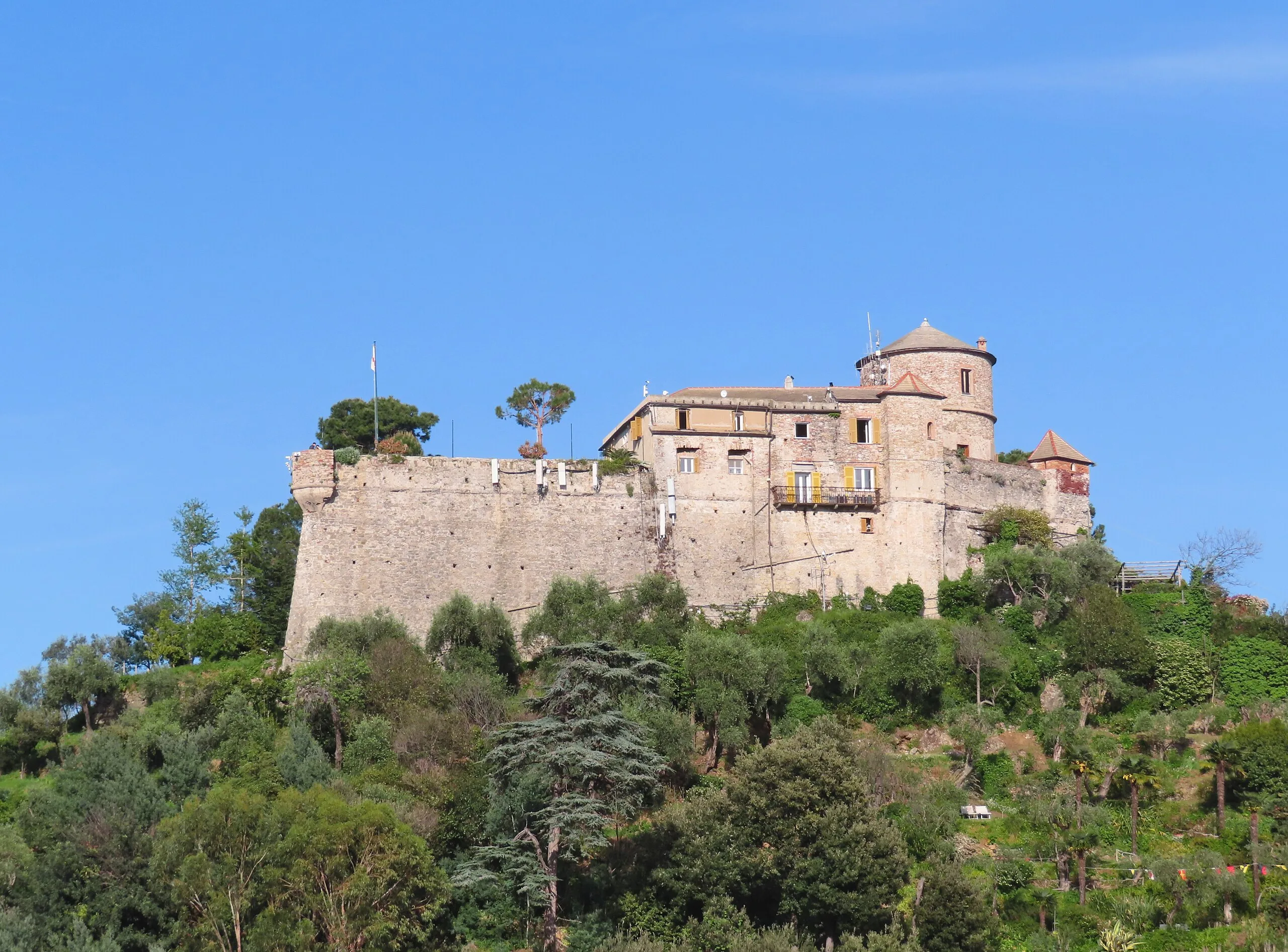
A 16th-century fortress overlooking the harbor, featuring a terraced garden and preserved interior rooms.
Walk the path up from the harbor for elevated bay views.
Church of San Giorgio
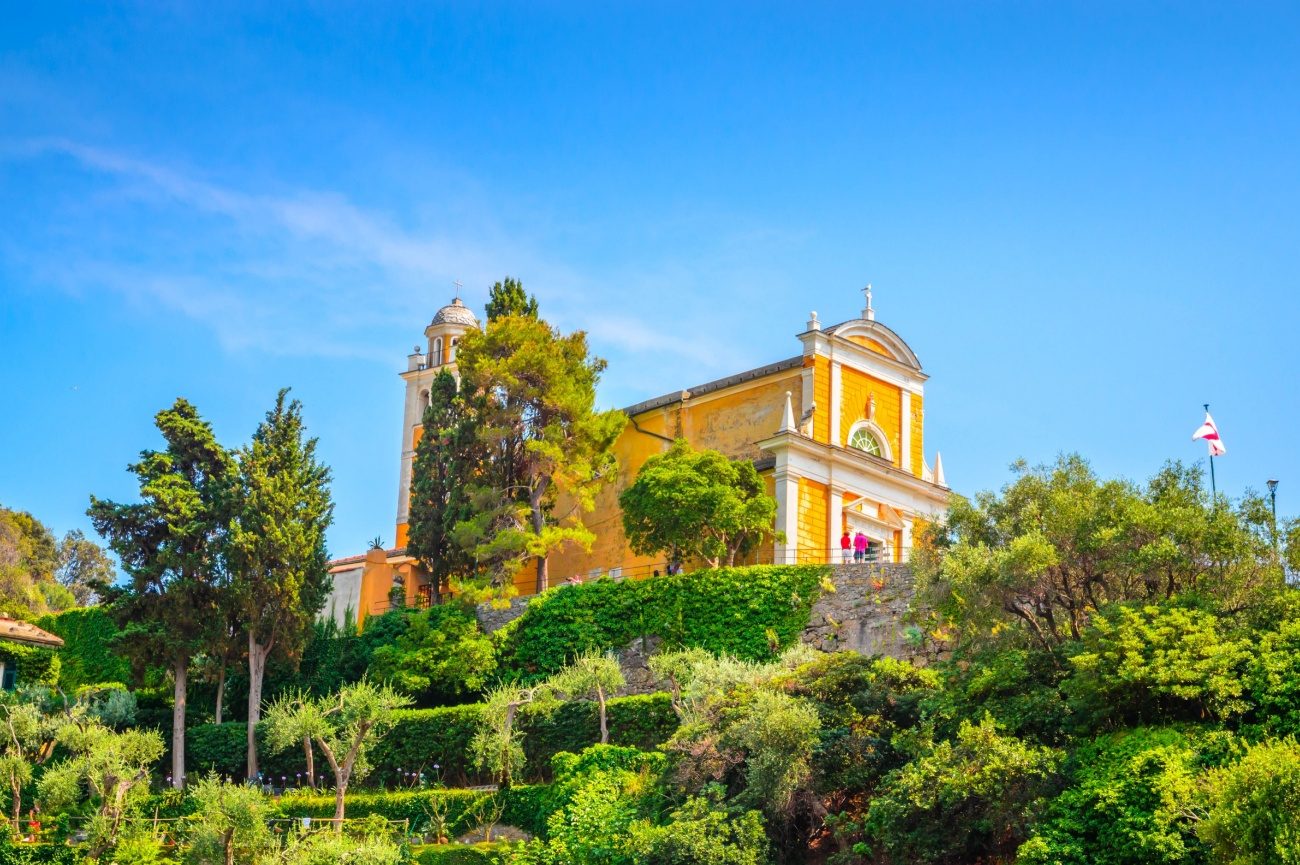
A Romanesque church located on the promontory, housing relics of Saint George.
Visit during the walk to the lighthouse for quiet observation.
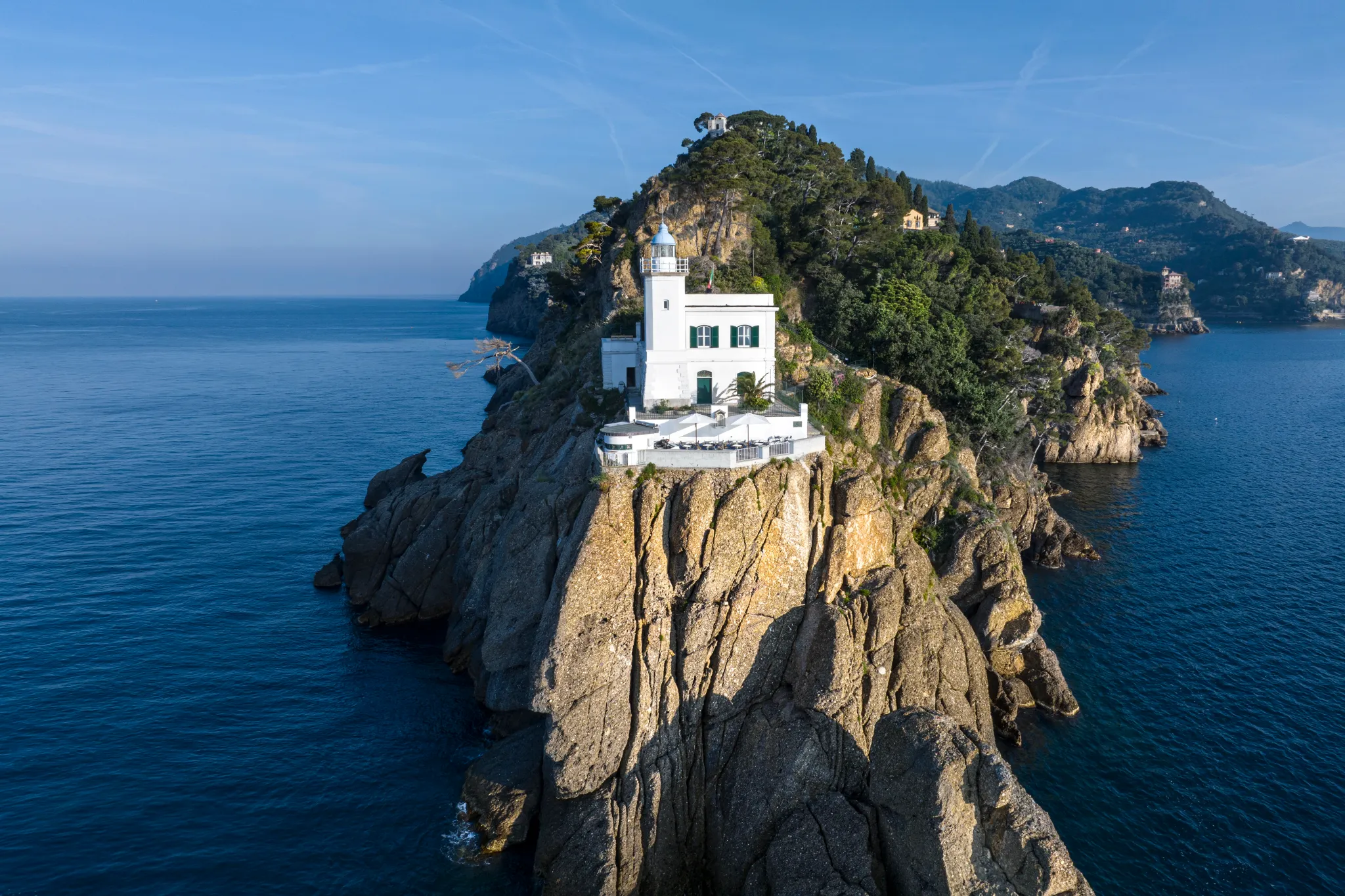
Brown Castle Lighthouse
Located at the tip of the peninsula, this active lighthouse marks the entrance to the bay.
Walk past the church to reach this remote point.
Deep Origins: What Is Portofino Famous For Historically?
Roman records from the first century BCE document a small settlement on this promontory, valued for its sheltered harbor and strategic position along coastal trade routes. The name derives from *Portus Delphini*, referencing the dolphins that frequented these waters. By the tenth century, Benedictine monks had established a monastery above the harbor, while Genoese patrician families built defensive watchtowers to guard against Saracen raids. What is Portofino famous for took shape during the Republic of Genoa's maritime dominance. In 1229, the commune granted Portofino autonomy to maintain a fishing fleet and coastal defenses. The village supplied salted anchovies and preserved fish to Genoa's navy. Castello Brown, originally named Castello di San Giorgio, was constructed in 1557 by the Republic to counter Ottoman expansion in the Mediterranean. The fortress changed hands during Napoleonic occupation in 1800, then passed to British consul Montague Yeats Brown in 1867, who converted it into a residence. The transformation from fishing outpost to elite retreat began when English travelers discovered the village in the late nineteenth century. Guy de Maupassant's 1889 travelogue praised its seclusion. By the 1950s, Hollywood figures including Rex Harrison and Ava Gardner purchased villas along the harbor, cementing its status as a discreet maritime sanctuary. Today visitors walk the same stone quays where fishermen once mended nets, climb to Castello Brown's ramparts for the harbor panorama the Genoese sentries knew, and follow the coastal path to San Fruttuoso abbey that medieval pilgrims traveled.
Roman sources record Portus Delphini as a fishing settlement with a natural harbor.
Benedictine monks establish a monastery; Genoese families build coastal watchtowers.
The Republic of Genoa grants Portofino communal autonomy to maintain fishing and defense fleets.
Castello di San Giorgio is constructed by Genoa to defend against Ottoman naval threats.
British consul Montague Yeats Brown acquires the castello and converts it into a private residence.
Guy de Maupassant publishes his travelogue describing Portofino's secluded beauty.
Hollywood actors including Rex Harrison and Ava Gardner purchase harbor villas, establishing its elite reputation.
The Portofino Marine Protected Area is designated, preserving the coastal ecosystem and underwater archaeology.
Logistics of Arrival: What Is Portofino Famous For in Accessibility?
Portofino is located on the Italian Riviera within the Metropolitan City of Genoa. Because the village lacks a direct rail connection, the most efficient approach is to reach the nearby town of Santa Margherita Ligure and transfer to local transport.
Regional train to Santa Margherita Ligure station
Line 882 from Santa Margherita Ligure to Portofino
Ferry from Santa Margherita Ligure or Rapallo
SP227 coastal road to Portofino parking
Operating Schedule: What Is Portofino Famous For Regarding Hours?
Portofino is a public village accessible to visitors at all hours throughout the week. While the village remains open, individual sites and businesses operate according to their own specific schedules.
| Monday | 00:00–23:59 | Public access |
|---|---|---|
| Tuesday | 00:00–23:59 | Public access |
| Wednesday | 00:00–23:59 | Public access |
| Thursday | 00:00–23:59 | Public access |
| Friday | 00:00–23:59 | Public access |
| Saturday | 00:00–23:59 | Public access |
| Sunday | 00:00–23:59 | Public access |
Entrance Fees: What Is Portofino Famous For Costing?
Portofino is a public village, meaning there is no fee to enter or walk through the streets. Costs only arise if you choose to visit specific museums, historic villas, or private landmarks within the municipality.
A typical adult pays 0 EUR for village access, though total spending depends on which specific cultural sites or museums you choose to enter.
Check availability
Frequently asked questions about what is portofino famous for
Everything you need to know about what is portofino famous for